
Describe the property
Send the location, symptoms, equipment and access details. State whether the work is a repair, replacement or planned project.
Need plumbing help in Forest? Tell us about the leak, blocked drain, fixture or water heater. A responding provider will confirm coverage and availability before booking.
Get A Free QuoteCompare tank and tankless options against household size, peak hot-water demand, existing connections and seasonal drain-down needs.
View scopeIdentify affected fixtures and recurring symptoms; compare mechanical clearing, pipe-suitable jetting and camera inspection for repeated blockages.
View scopeDocument existing poly-B or galvanized pipe, then compare PEX and copper layouts, winter drain-down access and the extent of replacement.
View scopePlan toilet, shower and faucet changes alongside new bathroom rough-ins, connection locations, well-water test results and seasonal deadlines.
View scopeUse meter changes, pressure symptoms and visible moisture to plan acoustic testing, pressure isolation or tracing of a buried well supply line.
View scopeCompare pump capacity with observed basin inflow, consider battery backup for outages, and check backwater-valve suitability for the sewer layout.
View scopeUse well-test results and household demand to compare softeners, iron filtration, UV and reverse osmosis, including seasonal shutdown needs.
View scopeWater treatment should follow test results rather than assumptions about a well. For a Forest property, obtain a current water analysis and note the household size, peak use and any visible staining or taste concerns. Compare the measured hardness and iron with treatment options; a softener, separate iron filtration, ultraviolet equipment or reverse osmosis each serves a different purpose. For a seasonal cottage, ask how the equipment, filters and plumbing can be isolated or drained when the building is closed.
Compare tank and tankless options against household size, peak hot-water demand, existing connections and seasonal drain-down needs. Identify affected fixtures and recurring symptoms; compare mechanical clearing, pipe-suitable jetting and camera inspection for repeated blockages. Document existing poly-B or galvanized pipe, then compare PEX and copper layouts, winter drain-down access and the extent of replacement.
Plan toilet, shower and faucet changes alongside new bathroom rough-ins, connection locations, well-water test results and seasonal deadlines. Use meter changes, pressure symptoms and visible moisture to plan acoustic testing, pressure isolation or tracing of a buried well supply line.
Compare pump capacity with observed basin inflow, consider battery backup for outages, and check backwater-valve suitability for the sewer layout. Use well-test results and household demand to compare softeners, iron filtration, UV and reverse osmosis, including seasonal shutdown needs.
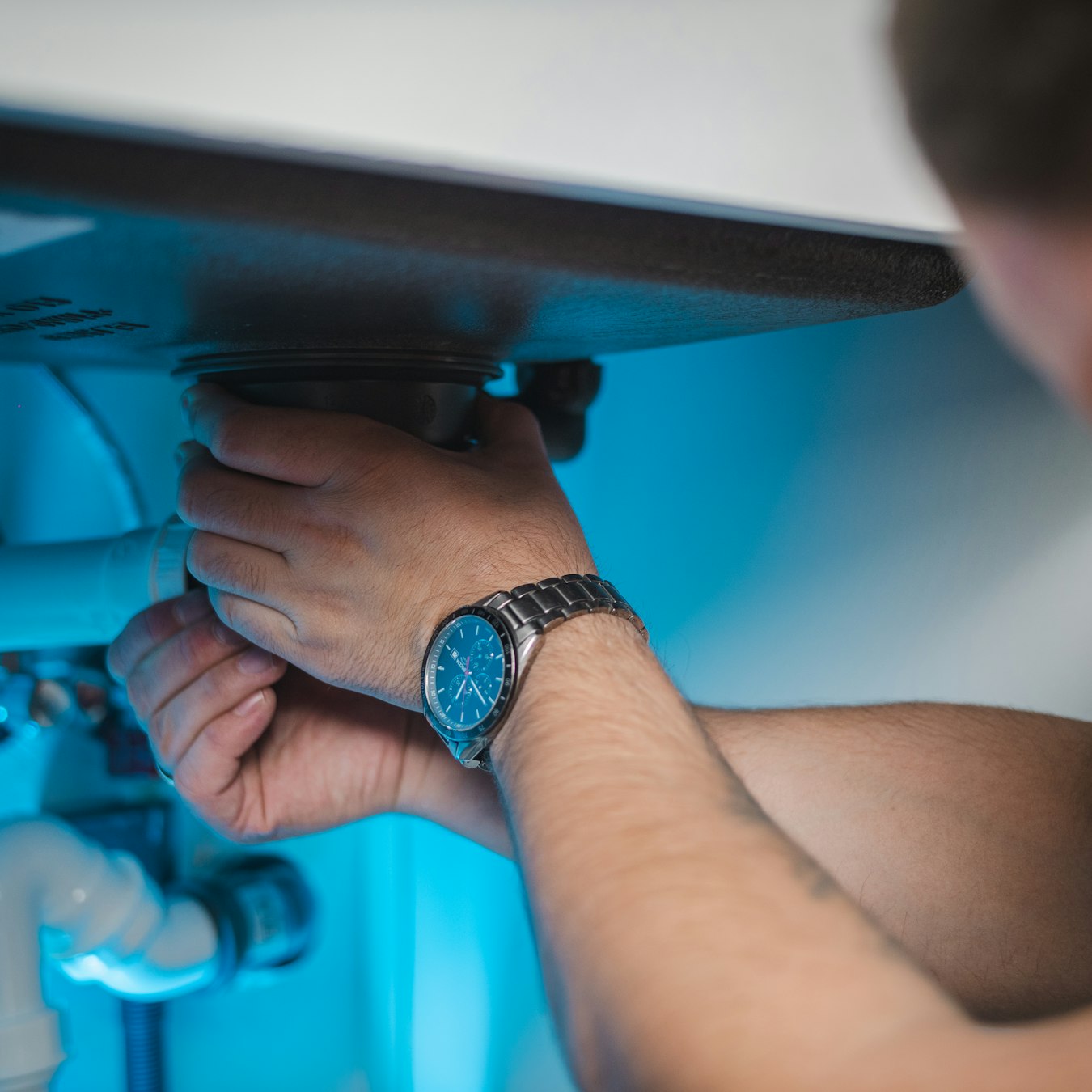
A slow kitchen, bath or laundry drain can result from buildup, a local blockage or a problem farther along the line. Before choosing a clearing method for a Forest property, note which fixtures are affected, whether the issue returns, and what the piping connects to. If the property uses a septic system, ask how the proposed work avoids chemical drain products. Mechanical cabling may suit some blockages; jetting depends on the pipe’s condition and ability to tolerate the pressure.
Explore this serviceSend the location, symptoms, equipment and access details. State whether the work is a repair, replacement or planned project.
The request is reviewed so the responding provider can clarify the work, property access and service coverage.
Agree the provider identity, qualifications, written scope, pricing and visit window directly. Sending a form does not confirm an appointment.
Gather a recent water analysis and note household size, seasonal occupancy and any observed staining. Ask how each proposed treatment stage relates to the measured results. Wells can differ, so test-based choices help avoid selecting equipment for a problem the water does not show.
For a cottage reopening after months without use, list drains that were slow or unused before winter and check accessible traps and cleanouts. Ask what clearing is appropriate before a busy period of occupancy. Seasonal timing can make it easier to inspect the plumbing while the property is accessible and before several fixtures are needed at once.
If the building is left unheated in winter, ask how the tank, supply lines and associated equipment can be drained and isolated. Check that the proposed arrangement gives water a clear route out and identify any low points that may retain water. A documented seasonal procedure helps clarify what must be done before the property is closed.
Check accessible areas for pipe markings, colour and fitting type, and photograph any suspected poly-B or galvanized sections. Ask how much of the system the proposed work would replace and whether concealed sections need further inspection. Confirming the material and extent helps compare a targeted repair with a more complete repipe.
List each planned change, such as a second bathroom, a full shower or an outdoor rinse station. Photograph nearby supply and drain connections, and ask what new rough-in work each location needs. The distance from existing plumbing and the fixtures selected can change the amount of pipework and finishing involved.
Use the form to describe the property, the symptoms and the work requested. For Thedford, Arkona, Grand Bend, Petrolia, include your postal code so local coverage can be checked.